
Canada’s Most Wild National Parks: Where Nature and Visitors Collide
October 27, 2025
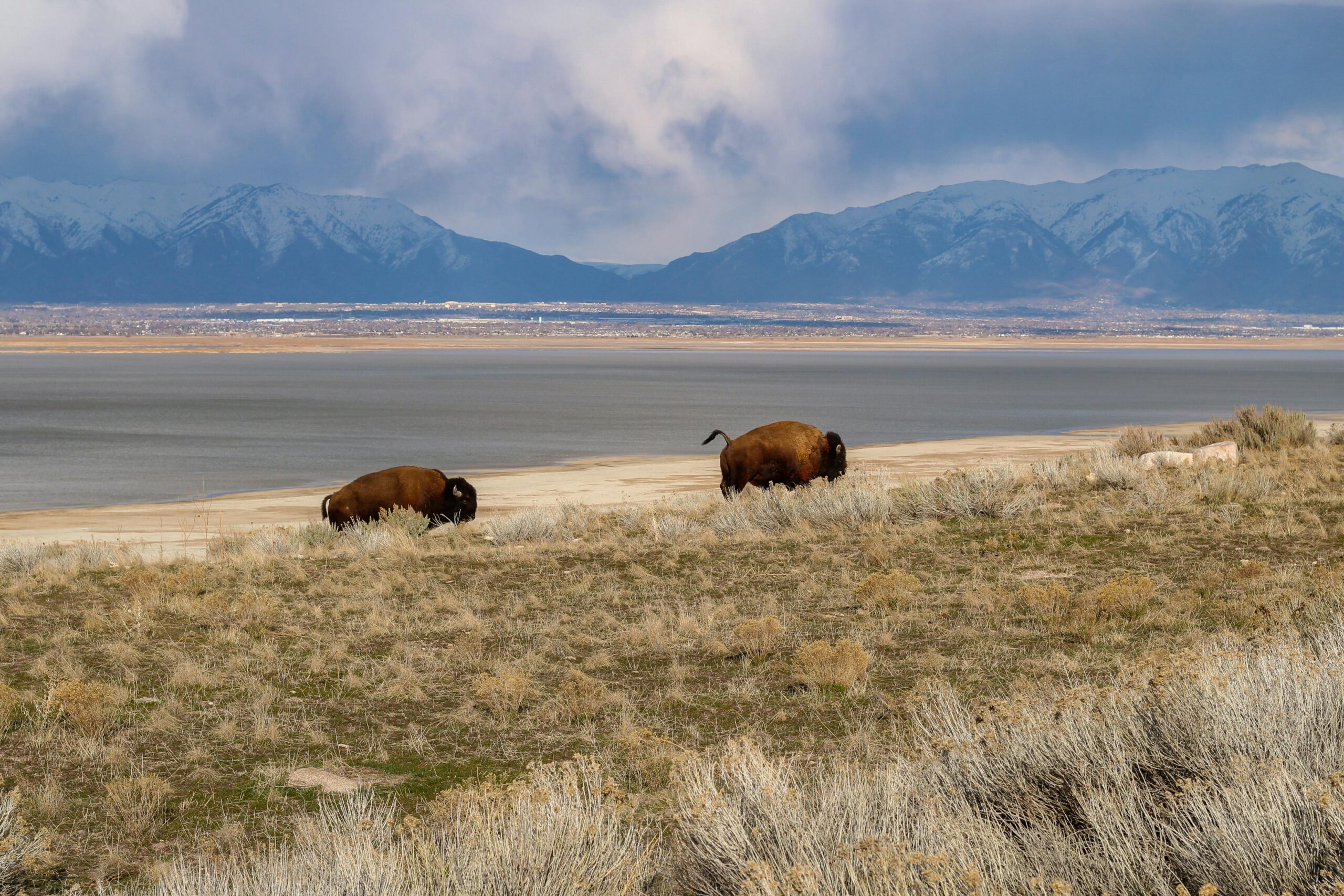
Every summer, millions of Canadians and international tourists lace up their boots, grab a tent, and head into the country’s stunning national parks. But behind the glaciers, forests, and postcard-perfect lakes lies a quieter story; it’s one told in search and rescue logs, wildlife reports, and hospital trips. Some parks are far riskier than others, especially when wild animals and humans cross paths in the wrong way, turning a dream hike into a dangerous encounter and a family camping trip into a night they’ll never forget.
Key Takeaways
- Grasslands National Park ranks as the most dangerous park in Canada, with 7.2 incidents per 100,000 visitors, mostly involving plains bison.
- Waterton Lakes and Jasper follow closely, with black bears and elk topping their incident lists.
- Elk are by far the most dangerous species in Canada’s National Parks, responsible for nearly 38% of threatening encounters.
- Black bears and grizzlies together account for another one-third of dangerous encounters.
- Even smaller sites like Chilkoot Trail and Nahanni show high per-capita risk despite low visitation numbers.
Canada’s Riskiest National Parks
So which parks should you think twice about before wandering off-trail or snapping that too-close wildlife selfie? Analysis of Parks Canada’s official visitation and incident records reveals some surprising names at the top of the risk list. From quiet prairie grasslands to the bustling peaks of the Rockies, the numbers show that danger doesn’t always live where you expect it, and sometimes the smallest parks pack the biggest punch.
For this analysis, we focused on wildlife-related incidents where animals displayed threatening or aggressive behavior toward people or pets. That includes bluff charges, chases, predatory approaches, and actual contact, whether it’s a grizzly swiping at a hiker, a moose kicking at a camper, or a bison lowering its head for a charge.
Call 1-833-405-8282 to speak with our Eastern Canada legal team
Grasslands National Park in Saskatchewan might look like a quiet prairie paradise, but don’t let your guard down. Despite its majestic beauty and fewer than 13,000 annual visitors, the park still manages to top the danger charts thanks to its heavyweight residents: plains bison. These massive animals may look like slow, gentle grazers from afar, but get too close and they can turn a peaceful hike into a high-speed standoff. The park averages 7.2 incidents per 100,000 visitors, the highest in the country.
Hot on its heels is Waterton Lakes National Park, where black bears are the main culprits behind its 6.7 incidents per 100,000 visitors. Then there’s Jasper — breathtaking, busy, and downright risky during elk rutting season. With over two million annual visitors and a rate of 6.2, it’s proof that popularity and danger often go hand in hand. Rounding out the top five are Wood Buffalo, where black bears keep people on edge, and Cape Breton Highlands, where moose have earned a reputation for trouble.
Don’t Poke the Bear (Or the Bison, Or the Moose)
When it comes to dangerous encounters, seemingly docile elk are the surprising leaders of the herd. They account for nearly 38% of threatening wildlife incidents, often during the fall rut when bulls charge at tourists who get too close. Viral clips, like the 2025 Jasper tourist who was charged by a bull elk, highlight how quickly things can turn serious. Black bears rank second, involved in 19% of encounters, from bluff charges to attacks at campsites. Grizzlies, though less common, are responsible for nearly 14% of dangerous incidents, and their encounters are often the most severe. Other notable species include mule deer (6%), coyotes (5%), and plains bison (3%). Even less-expected animals, from cougars to rattlesnakes, show up in the data.
Numbers tell only half the story. Real-world headlines show how quickly ordinary outings can turn hazardous. In July 2025, a Yoho National Park campground in Alberta was evacuated after multiple aggressive black bear encounters. In the same month, a woman saved her husband from a bear with a well-timed shot of bear spray. In Elk Island National Park, a visitor was hospitalized after approaching a bison too closely. And back in 2023, two hikers were killed in a grizzly attack in Banff despite carrying bear spray. The lesson is clear: no matter how cute they are, wild animals behave like wild animals.
How to Stay Safe Without Missing the Magic
Danger depends on more than just wildlife density. Parks with huge visitor numbers, like Jasper, Banff, and Waterton Lakes, see more overall incidents simply because millions of people flood their trails. Smaller sites like Grasslands and Chilkoot Trail may appear disproportionately risky because their low visitation leaves their wildlife less acclimated to human intrusion. Accessibility plays a role, too. Parks close to major cities draw casual visitors, many of whom underestimate the risks compared to seasoned backcountry hikers.
Canada’s national parks remain bucket-list destinations, but travelers should know where the risks are highest — and what to do when wildlife gets too close. Bears, cougars, moose, elk, and bison are especially unpredictable in the fall, when mating, birthing, or food-defense behaviors make them more aggressive. Parks Canada advises carrying bear spray, traveling in groups, keeping food secured, and giving animals plenty of space. If a bear approaches, remain calm, speak softly, back away slowly, and be ready to use bear spray within 30 feet; how you react after contact depends on the species – playing dead may help with grizzlies, but fighting back is better with black bears. For elk, bison, or moose, cover is your friend: use trees, rocks, or vehicles, and if knocked down, protect your head and neck until the animal moves on.
Most incidents happen when people ignore the basics. Knowing which parks and species carry the greatest risks, and how to respond in an emergency, can mean the difference between a close call and a tragic headline.
Methodology
This ranking is based on Parks Canada datasets covering 2001–2025 visitation and 2009–2024 wildlife incidents. Visitor statistics were drawn from annual Parks Canada attendance records, while incident data came from wildlife coexistence reports that include species, behavior, and outcomes. Data was standardized across parks, normalized per 100,000 visitors, and smoothed with Empirical Bayes methods to prevent distortions from very small or very large visitation numbers. Dangerous encounters were defined as bluff charges, aggressive displays, attacks, predatory approaches, or contact with people or pets. Species-level shares were calculated to identify the animals most often involved in risky behavior. Data gaps include the lack of a dedicated Search and Rescue dataset and missing hospitalization records.
Fair Use Statement
You’re welcome to share or reference this analysis for non-commercial purposes. Please provide attribution with a link back so readers can explore the full rankings and methodology.
Connect With Our Legal Team
Schedule a call with our personal injury legal intake team. Our team is available 24/7 so call us now to book your call. Our scheduled intake allows you to tell us details about your accident and gives our legal team an opportunity to review your case and advise you on possible solutions and outcomes. The best part is, if you decide to hire us after this call – you don’t pay anything unless we win. We can help clients regardless of where they reside in Nova Scotia & New Brunswick so let us help you get started on your road to recovery.
Got Legal
Questions?
Our phones are open 24/7 so call us anytime.
You can also fill out our online form to book a free call.