Sydney Car Accident Lawyers
Find out if you have a case today.
Contact our Sydney car accident lawyers for a free consultation if you have legal questions regarding your car accident claim.

Book a FREE Consultation
Tell us what happened
We’re here to help.
Do you live in Sydney? Here’s how we can help:
Table of Contents
Published: July 21, 2021 | Last Reviewed: August 7, 2026
In Sydney, the negligence of others can often have disastrous results. When a person or entity fails to take the physical safety and well-being of the people around them into consideration, accidents can occur. Accidents resulting in serious injuries can leave their victims in states of physical, emotional, psychological, and financial distress.
Oftentimes, in the immediate aftermath of an injury-causing accident, it can be difficult for accident victims to know who was, ultimately, responsible. In many instances, when accidents occur, injured victims simply wish to leave the scene as quickly as possible. This may be particularly true of accidents that happen on someone else’s commercial or residential property. Injured parties may intuitively place the blame for the accident on themselves, their own inattentiveness, or their clumsiness. This instinct, however well-intentioned, may, in fact, allow the negligent behaviour of another party or entity to go unchecked. As a result, more unsuspecting Sydney residents may be injured as a result of their negligence.
Even though it may not be immediately apparent in the aftermath of a surprising and traumatic occurrence, in many instances, injurious accidents are caused by someone else’s failure to uphold a duty of care they owe to other people. Through a number actions, inactions, errors, omissions, or other forms of wrongful conduct, negligent parties may create the ideal conditions for severe accidents to occur. When someone has the legal obligation to provide a duty of care to someone else, if they fail to do so and an injury-causing accident occurs as a result, they may be considered negligent. In these cases, the negligent party may be responsible for providing the people they have injured with financial compensation for damages they have incurred because of their injuries.
You do not need to have a pre-existing personal or professional relationship with another person in order for them to owe you a duty of care. As a matter of fact, throughout the province, countless people have legal obligations to take reasonable actions to ensure the safety of others around them.
Property owners and/or occupiers, for example, are required by law to routinely inspect and maintain their premises as a way of actively preventing accidents from occuring. By doing so, property owners/occupiers are taking reasonable steps to keep their visitors from sustaining injuries as the result of accidents on the premises.
Accidents on someone else’s commercial or residential property frequently occur because the people responsible for maintaining the premises neglect to address dangerous hazards on-site. Common examples of often-neglected hazards on someone else’s property include:
- Uncleared ice and snow
- Spilled liquids
- Broken or missing handrails
- Poor lighting
- Wet floors
- Uneven surfaces
- Loose carpeting
- Cracked sidewalks
- Potholes
- Cluttered walkways
- Broken tiles
- And more
These hazards may sound harmless, but they can cause an unsuspecting visitor to a commercial or residential property to sustain severe injuries. Depending on the circumstances of their accident, these neglected maintenance issues can even cause a guest to lose their lives.
When property owners and/or occupiers fail to remove, sufficiently repair, or adequately warn visitors about the risks associated with hazardous maintenance issues on their premises and an accident occurs as a result, they may be considered negligent. Therefore, the at-fault parties may be responsible for providing financial compensation to the people injured by their negligence.
Property owners and/or occupiers are not the only parties that are legally required to provide a duty of care to the people around them. In fact, throughout the province, anyone who owns or operates a motor vehicle also has a legal obligation to do so.
In accordance with provincial law, all drivers on the province’s roads must obey traffic rules and operate their vehicles with reasonable levels of caution to prevent injurious collisions from occurring. As such, all drivers owe a duty of care to all other road-users, including the occupants of passenger vehicles, motorcycle riders, cyclists, and pedestrians. When drivers violate traffic laws, they are shirking the duty of care they owe their fellow road-users. Violating any number of traffic laws could lead to car accidents with devastating impacts on an accident victim’s life.
In Sydney, common traffic law violations that could cause injurious car accidents include:
- Distracted driving
- Driving under the influence of alcohol and/or drugs
- Excessive speeding
- Reckless driving
- Failing to obey traffic signs/signals
- Texting while driving
- And other violations of traffic laws
Anyone who operates a motor vehicle has a great responsibility to themselves and the people around them. Essentially, the physical safety of countless other road-users is directly dependent on the behaviour of each driver on the province’s roads. It only takes one negligent driver to cause an accident, even if the impact of their negligence affects the lives of many people.
The community of Sydney is populous, and the well-being of its citizenry is largely dependent on the behaviour of other people. The wrongful conduct of one person or entity could have life-shattering impacts on accident victims and their families. Regardless of whether someone else’s improper behaviour causes an accident on their property, on the road, on the water, or on the back of an off-highway vehicle, the injuries that can be sustained as a result could have lifelong consequences for the victims of their negligence.
In Sydney, accidents that lead to injuries requiring hospitalization can happen to anyone, anywhere, at any time. Common examples of accidents often caused by the negligence of another party include:
- Car accidents
- Boating accidents
- Motorcycle accidents
- Truck accidents
- Bicycle accidents
- Pedestrian accidents
- Snowmobile accidents
- ATV accidents
- Slip and fall accidents
- Scooter accidents
- E-bike accidents
- And more
If someone else’s negligence caused you to sustain injuries in an accident, you may be entitled to financial compensation. Depending on the circumstances of your accident and the severity of your injuries, our car accident lawyers serving Sydney may be able to help you recover the costs of damages you have incurred or will incur in the future. These damages could be economic or non-economic in nature, and may include:
- Medical expenses
- Pain and suffering
- In-home attendant care
- Lost wages due to missed work
- Reduced future earning capacity
- Adjusted living expenses
- Rehabilitation costs
- And possibly more
To learn whether you may be eligible to recover financial compensation from the at-fault party whose negligence caused your accident, contact our Sydney accident lawyers to discuss your situation in a free initial consultation on your case.
Free Consultation for Sydney Residents – We Don’t Get Paid Unless We Win
Injured accident victims may be unsure of whether they might be eligible to pursue a civil claim for damages arising from the injuries they have sustained as a result of another party’s negligence. To best serve the needs of the local community, our accident lawyers serving Sydney offer a free initial consultation to all prospective clients. During this cost-free, no-obligation first meeting, injured accident survivors will be able to ask important questions about their case and receive useful legal advice from our Sydney accident lawyers.
To learn about options for financial recovery that may be available to you in the aftermath of an injury-causing accident, schedule your free initial consultation with Preszler Injury Lawyers.
Authored by Preszler Injury Lawyers
Personal Injury Law Firm
Preszler Injury Lawyers represents injured people across Ontario in personal injury matters, including motor vehicle accident claims, slip and fall claims, long-term disability claims, and institutional abuse claims.
Proudly Canadian
Award Winning Personal Injury Law Firm
We are proud to be one of Canada’s oldest and long-standing personal injury law firms. Since 1959, we have been providing exceptional legal services and have established ourselves as leading personal injury lawyers in the Canadian legal community. It’s not just the awards that recognize our achievements, but also the wins we’ve achieved for thousands of Canadians with their car accident claims.



Case Results
car accident Settlements
Please note that past results are not indicative of future results as each scenario presents itself with its unique set of circumstances. But here are some car accident related wins we’ve had for our clients.
More car accident Topics
Here’s more information on car accident related topics that we think you might find helpful.
car accident
|
February 10, 2026
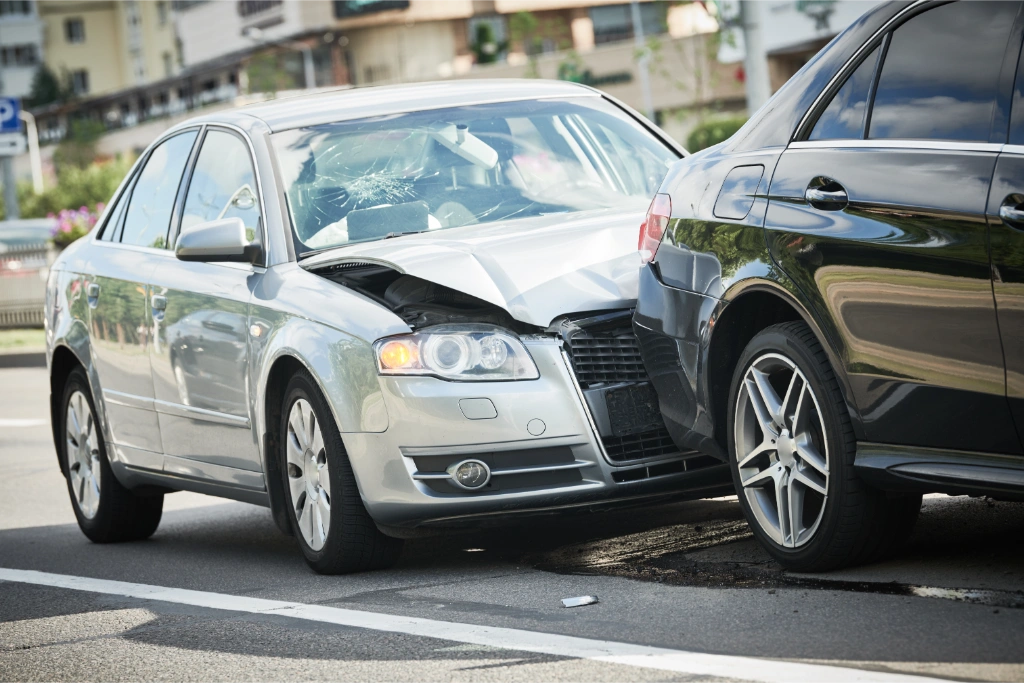
Should I Hire a Lawyer for a Minor Car Accident in Nova Scotia?
Truth be told, most people never expect to be looking this question up. When a motor vehicle accident happens, and the damage looks minor, the…
personal injury
|
February 4, 2026
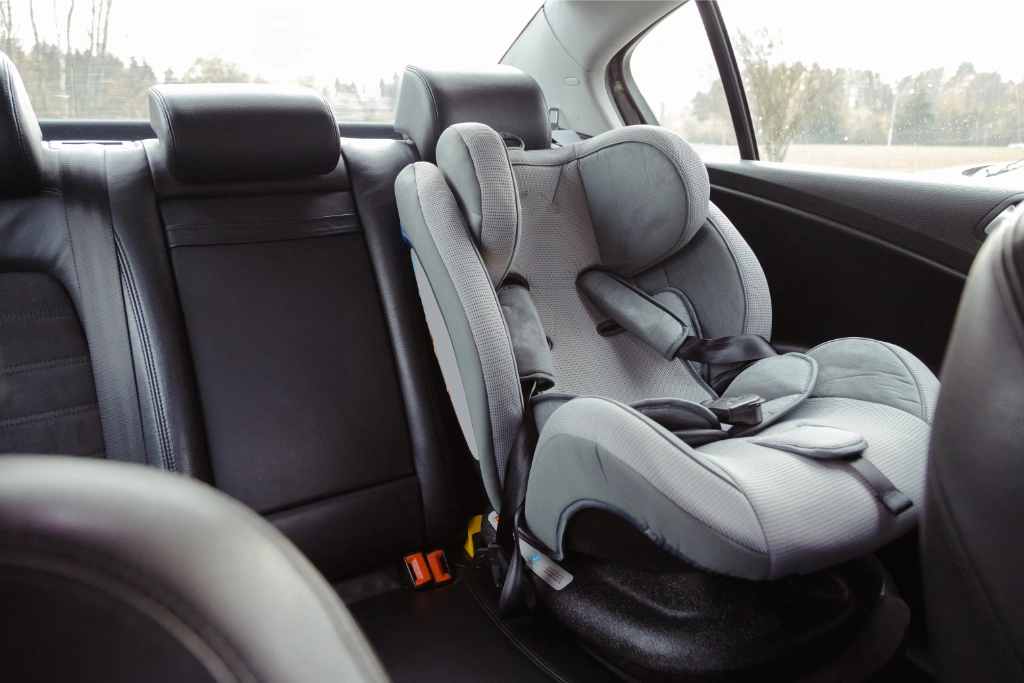
Car Seat Law in Nova Scotia
Every year across Canada, children are involved in motor vehicle collisions simply because they weren’t safely buckled up. Often, the car seat may not have…
car accident
|
November 18, 2025
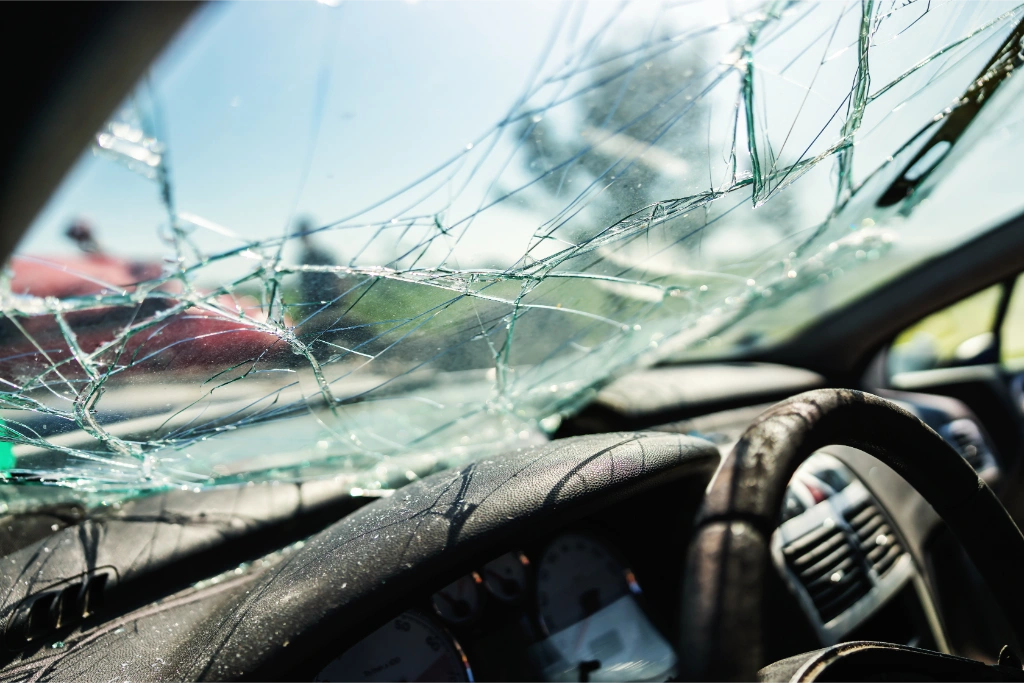
What to Do After a Car Accident in Nova Scotia
Being involved in a motor vehicle accident can be stressful and confusing. Whether the accident seems minor or severe, taking the right steps immediately can…
car accident FAQs
Here are some commonly asked questions for car accident claims
If I am off of work as a result of the accident what can I do for assistance?
a. In Nova Scotia we have a no fault system which means your own insurance company responds to provide you with certain benefits under your own insurance policy to help with your recovery and address your immediate financial needs. These benefits are called “Accident Benefits”.
b. This includes income replacement benefits which would pay you up to $250.00 a week.
c. There is medical coverage to a potential maximum of $50,000.00 for recommended therapies such as physiotherapy etc.
Who do we sue?
a. You are entitled to sue the individual or entity that caused the accident and damages/injuries. This could include more than one party, for example if the driver and owner of the vehicle are different people.
b. This party is usually referred to as the “at-fault” party.
c. In some situations, you may have reason to sue your own insurance company to seek recourse for benefits and other claims under the contractual terms of your automobile policy. Again, time limitations apply. Your lawyer can best advise you if this kind of action is necessary in the circumstances as well as any technical requirements for proceeding.
What would we be suing the at-fault party for?
a. Lawsuits are a method of recovering damages. The goal of the lawsuit is to award the injured plaintiff (you) with financial compensation which is evaluated based on the amount of damages/changes/pain caused to you and how it affects your life.
b. These could include but are not limited to: damages for pain and suffering, income losses (past and future), loss of earning capacity, out of pocket expenses, past and future treatment costs subject to any Accident Benefits payments made by your own insurer.
Are there any legal limitations to my ability to bring a claim for pain and suffering damages?
a. For accidents after 2010, injuries of a soft tissue nature (ie. strains, sprains and certain whiplash disorder injuries) must be of a nature that causes a substantial inability to perform any or all of the essential tasks of your regular employment, training or education or the normal activities of your daily life.
b. Injuries that do not meet this “serious impairment” threshold are referred to as minor injuries and are subject to a capped amount of general damages as set by legislation.
c. For more information on how this limit could affect your claim, please call for a free consultation today.
Are there any monetary limits to my ability to make a claim for pain and suffering and other damages?
a. There could be limits to the amount of money available.
- In Nova Scotia the statutory minimum insurance required to drive is $500,000.00
- If there are multiple claimants involved in the same accident caused by the same at-fault driver the insurance policy limits on the at-fault vehicle will be split up amongst all the claimants and can reduce the amount that is recovered.
- This is why it is important to ensure that you have proper coverage on your own policy of insurance because there are situations where the at-fault driver may be underinsured and your own policy can step in and increase the available limits. Please speak to one of our lawyers today for clarification.
b. The monetary value of a particular injury is based on and set by case law, which limits the amount you can recover.
If my injury is considered a minor injury, what is the value of my injury, if any for pain and suffering?
a. The injury is worth $7,500 subject to inflation.
b. Please call Preszler Injury Lawyers for a free consultation for more information and a free consultation.
Does the limit on claims for personal injuries also apply to claims for loss of income or out of pocket expenses?
a. No – the limits only apply to general damages for pain and suffering.
b. However, the available policy limits of insurance on the at-fault vehicle could affect your recovery of damages.
How long do I have to bring an action/law suit for personal damages?
a. Usually the limitation is 2 years from the date which the accident occurred, but there are cases/situations where this can be extended.
b. Please call Preszler Injury Lawyers for a free consultation for more information.
Hurt in a Car Accident in Sydney?
Book a FREE Case Review Today
Our lawyers are available 24/7 to help you.
During your free consultation, we’ll explain your rights and help you understand the next steps in your claim.